Miami Beach police share plate-reader data with 173 agencies, memo says, as Venetian Islands drop Flock
A Nov. 18 memo says the city lost eight plate-reader sites on state roads, wants cameras on private property instead, and is rewriting a privacy policy last updated in 2021.
Miami Beach police share the data from their license plate readers with 163 state and local law enforcement agencies and 10 federal agencies, according to a city memo on the City Commission’s Wednesday, Nov. 18 agenda.
The memo, from City Manager Eric Carpenter, answers a request from commissioners in September to spell out privacy safeguards before the city starts putting plate readers on private property. It is discussion item R9 AE, sponsored by Mayor Steven Meiner.
Cameras moving off state roads
The memo says eight plate-reader sites “affected by the State directive” have been taken down and the police department is looking for replacements. It does not say what the directive was or where the eight sites were.
In September the commission approved a program to put plate readers on private property with the owner’s consent, and capped spending at $50,000 to move equipment from state roads to private sites, according to the memo. The administration now recommends judging each new site case by case for benefit, feasibility and cost, and having the city attorney draw up a standard agreement for property owners so installations can be approved faster.
Venetian Islands and Flock
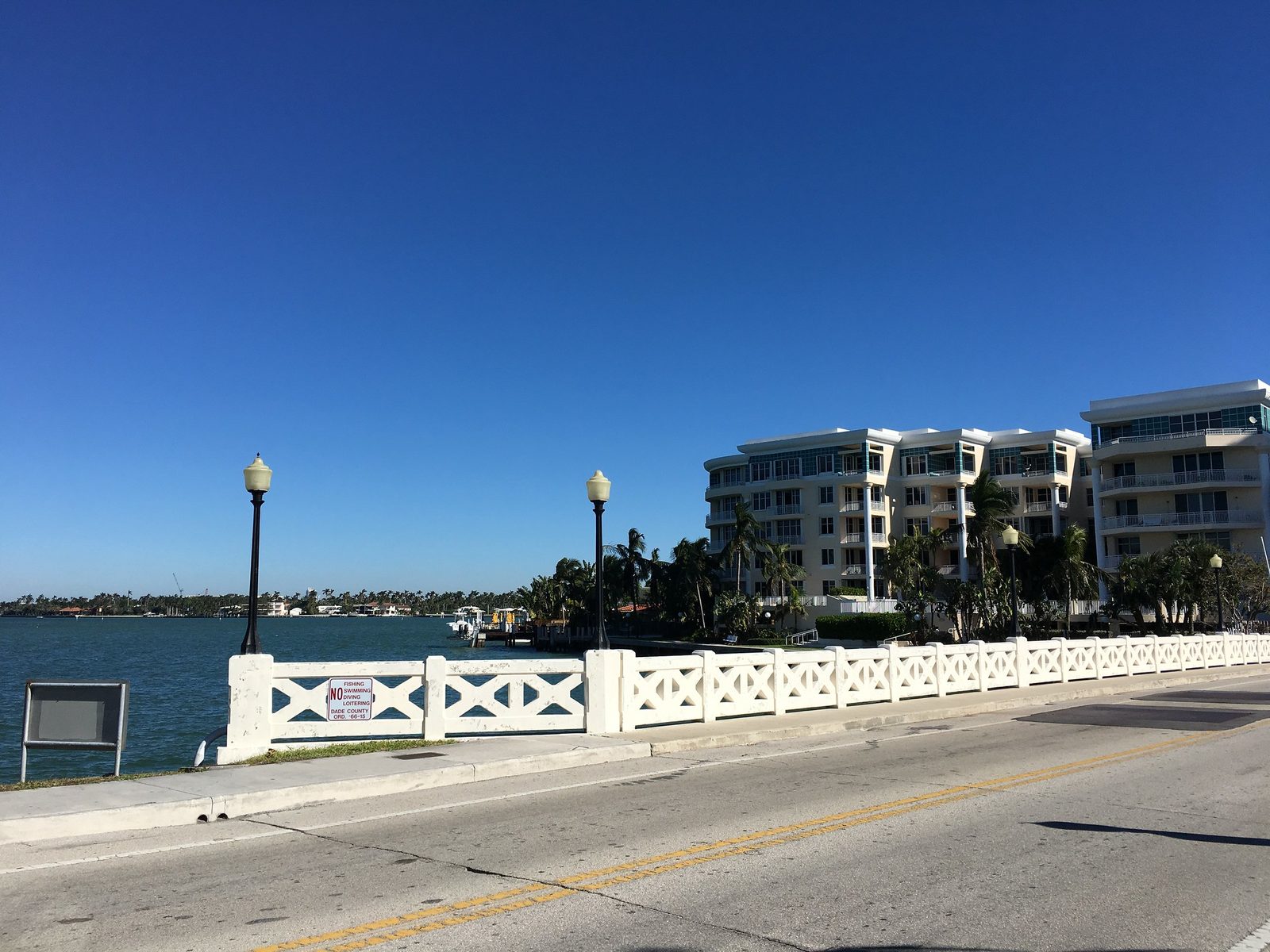
The Venetian Islands Homeowners Association runs its own privately paid plate readers from Flock Safety, and city police have access to their data and alerts. A resolution sponsored by Commissioner Alex Fernandez, Resolution 2026-34469, directs the city to help the association switch to a different provider that works with the city’s Motorola Solutions/Vigilant or Axon systems, that is not part of any national open-access data network, and whose data stays in city-controlled systems. The resolution cites concerns raised nationally and in Florida about Flock’s data access, privacy, cybersecurity and accountability. Police keep using the Flock data until a replacement is running.
The association has already met with a replacement vendor and is reviewing its contract, the memo says. Any new system must give police both investigative and real-time access.
Sharing and safeguards
All the state and local agencies that receive Miami Beach’s plate-reader data have agreements requiring them to follow the FBI’s criminal justice information security policy, and federal agencies are bound by that policy without separate agreements, according to the memo. The department’s plate-reader policy was first written in 2013 and updated in 2016 and 2021. The memo says it will be strengthened with added safeguards against misuse “recently reported in the news,” but it does not describe the new rules or say when they will be finished.
The commission meets at 8:30 a.m. Wednesday at City Hall, 1700 Convention Center Drive. The item was not reached at the Oct. 14 meeting, and discussion items late on the agenda often carry over again.
Sources
See something wrong? Tell us.

Neighbors' comments
Comments are for people who live in Miami Beach, Surfside, Bal Harbour, Bay Harbor Islands, North Bay Village or Sunny Isles Beach. Keep it civil and on topic; the editor reviews first comments.